
Improving children’s futures in Chile through the Chancellor’s Fellowship
Katherine Roycroft
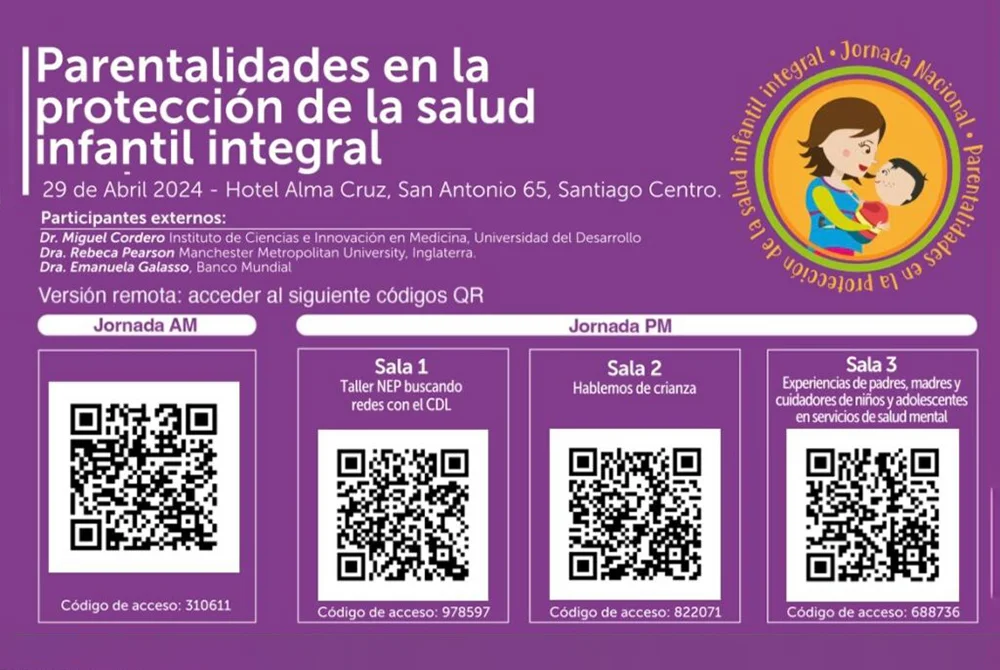
In April, Professor Rebecca Pearson (Health and Education) presented her research on parental influences on mental health from childhood to adolescence to the Ministry of Health in Chile.
Professor Pearson is a psychologist and epidemiologist, whose work integrates traditional epidemiological methods with new technologies to understand the relationships between parenting and mental health in children and adolescents.
As part of her presentation, which was reported on by CNN Chile, Professor Pearson shared key findings and practical recommendations from her research. This included the need for a relational approach in understanding children’s mental health, the damaging impacts of waiting lists, and the importance of clear messaging on expert help and basic support for families. Professor Pearson additionally introduced her innovative work on wearable technologies like head-cams, which she has employed to measure parent-infant behaviour.
The visit to Chile was funded through the MetroPolis Chancellor’s Fellowship scheme, which offers academics an opportunity to undertake a secondment with an external policy-focused organisation. For her Fellowship, Professor Pearson is collaborating with the Chilean Ministry of Health and Universidad del Desarrollo to identify opportunities to strengthen parent-child relationships and guide policy in the field of children’s mental health in Chile.
In addition to her presentation to the Ministry of Health, during this visit Professor Pearson presented her research findings to the Universidad del Desarrollo and led an interactive workshop on Directed Acyclic Graphs (DAGS), a causal diagram which can be effectively applied to decades-worth of data on mental health in families. Looking ahead to her next visit, Professor Pearson has been developing an interactive, immersive exhibition for community museums and art and science centres, designed to bring together local researchers, policymakers and the wider community.
The Fellowship has also offered Professor Pearson the opportunity to gain insight from existing child mental health programs in Chile, including ‘Chile Crece Contigo’, an ambitious national parenting and child development support program.
‘What was so key in my trip was visiting the health care settings and speaking to multi-disciplinary teams within the front line of child and adolescent mental health support, I saw first-hand the parallels and differences in the UK and Chile systems and challenges we all face.
On the experience and next steps for the Fellowship, Professor Pearson commented:
“I was struck by the creativity, enthusiasm and commitment to improving the lives of families and the desire to work together. Together we found many clear goals for practical solutions and thinking not only about what work ‘can’ but what families want. A particular highlight for me is starting the conversation and groundwork for incorporating more of a voice from Lived Experience within mental health services in Chile and this will be a focus of my next visit.”
To find out more about this research, please contact Professor Rebecca Pearson via e-mail. You can also find her on LinkedIn.


Manchester Met academic shares safeguarding expertise with the Education Committee
Katherine Roycroft
“…to be able to understand the lived experience of the daily life with the child and their circumstances requires a functional, effective workforce at an individual level to take that individual responsibility. It is not just one sector and not just one agency; it is about how we are pulling everyone together.”
Professor Michelle McManus, Oral Evidence for the Education Committee ‘Children’s Social Care’ Inquiry
With the sector facing unprecedented demand, an inquiry into Children’s Social Care was recently established by the Education Committee, with the aim of examining the current system, and potential for reform.
As part of the inquiry, Professor Michelle McManus (Health and Education) was invited by the committee to give oral evidence. An established expert in safeguarding with experience of working across UK governments, Professor McManus travelled to Westminster to share her insight with cross-party MPs.
Speaking alongside leaders from Ofsted and the Child Safeguarding Review Panel, Professor McManus highlighted the importance of a multi-agency approach to safeguarding children, and for safeguarding to be viewed as everybody’s responsibility. She also described issues around staff training and retention.
This invitation followed a successful submission of written evidence to the committee, which was co-authored with Emma Ball (Health and Education). In their submission, the authors reflected on support offered to children with complex needs, specifically around early intervention and the current system of safeguarding.
Professor McManus and Emma Ball have conducted extensive, leading research in this area, which includes interviews with over 400 safeguarding professionals, practitioners and experts by experience, as well as quantitative data and measures.
This research will now inform the Education Committee’s report on Children’s Social Care, and the Committee’s recommendations to government.
On the experience, Professor McManus commented:
“I was delighted to be invited to Parliament to give oral evidence. Whilst the nerves were certainly there, thankfully the huge amount of evidence we have collected kicked in, and I was proud to represent Manchester Met. The invite showcases the power of our evidence that has collaboratively worked with key agencies and sectors in improving our child safeguarding responses.”
You can watch Professor McManus giving Oral Evidence to the Education Committee here. The Written Evidence from Professor McManus and Emma Ball can be read here.
To find out more about this research, please contact Professor Michelle McManus via e-mail. You can also find her on Twitter and LinkedIn.

Net zero transition risks UK jobs and levelling up: The need for place-based policies in a Just Transition
Katherine Roycroft
The UK is committed to reaching net zero by 2050. In this blogpost, Dr Dan Bailey explores what decarbonisation means for the UK's levelling up agenda, and argues that policymakers need to focus on place-based economic policy interventions.
The net zero policy agenda has long been frustrated by vested interests in numerous sectors, including business and financial actors crucial to national growth strategies. The agenda, however, has recently been given impetus by the combination of technological innovations and evolving perceptions of future competitiveness in corporate boardrooms and governments across the global economy. The various strategies borne from this interplay have served to instigate and accelerate systemic changes to production in the energy, manufacturing and automotive sectors particularly. These emerging shifts promote industrial decarbonisation, but there is a sting in the tail. These shifts carry a series of risks to employment in regions of the UK economy that requires the attention of policy-makers.
Challenges of transition
The reorientation of production – such as the shift to electric vehicles, green hydrogen, solar PV, wind energy technology and heat pumps – are vital to net zero transitions, but each entails large-scale shifts toward alternative types of facilities, supply chains, infrastructure, expertise and energy usage. This could prompt the relocation of production, investment and jobs. It is already the case, for example, that automotive companies are shifting manufacturing to industrial sites in China where technical knowledge and cheap labour are abundant, effectively replacing the manufacturing of cars in Europe. Equally, the manufacturing of green hydrogen and solar PV are also being pioneered in areas where labour regulations and costs are less onerous. This presents clear conflicts between corporate strategies of transition and the interests of workers’ unions.
These disruptions to patterns of employment are being re-shaped and escalated by the intensifying global ‘arms race’ on subsidies for low-carbon production. The long series of investments made by the Chinese state have effectively secured a host of competitive advantages in low-carbon manufacturing, but the $369bn mobilised by Biden’s Inflation Reduction Act for companies based in the US is seen as a key moment in the geopolitical competition to tempt companies to relocate their operations and jobs. The anxiety this created in Europe forced the EU to unveil a policy of ‘matching aid’ last year, which offer European companies equal subsidies to those offered elsewhere, and was utilised by for the first time in early 2024 to prevent Swedish batter company Northvolt from capitalising on US subsidies. Volkswagen and Tesla have already paused plans to develop battery cells in Europe due to the offer of subsidies in the US, and other major employers are also likely to be reassessing corporate strategies as firms seek to use their leverage to capture subsidies to invest in green hydrogen, electric batteries, carbon capture and storage, renewable energy industries, and other products perceived to be central to low-carbon value chains.
In the context of these emerging economic and political shifts, net zero transitions represent a phase of capitalist restructuring with geographically uneven but potentially dire consequences for some countries and regions in the global economy. This reconfiguration of production and the ‘global division of labour’ could potentially lead to localised issues of ‘green deindustrialisation’ and structural unemployment.
The domestic impact
The risks facing each region of the UK economy remain unclear, but localised tensions and conflicts are already emerging. There is nothing predetermined about these trends, but the transition to net zero in the UK could be turbulent. At the very least, the threats to domestic employment presents a grave threat to notions of a Just Transition in the UK. For some regions, this will add to historical scars of deindustrialisation, and the legacies of unemployment, economic stagnation and regional inequality that it left behind.
The UK government have thus far been slow to respond to these risks. The domestic net zero policy agenda itself has been characterised by political posturing, policy U-turns and institutional conflicts more than the policy action required to avert climate catastrophe, which has left the UK at a competitive disadvantage to rival economies, and its inclination to protect workers from the forces of globalisation has historically been weak. In the next decade, however, UK policy-makers must confront these challenges, build coalitions with affected stakeholders, and devise the policies that affords the UK a position in emerging global value chains. Promoting decent work and the levelling up agenda in this context relies on strategic, long-term, joined-up and effective state action.
Complicating the issue is that the failure to promote systemic change would also have adverse economic consequences for UK employment, insofar as key industries face being left behind if they fail to shore up their competitiveness in the putative low-carbon economy. This renders ‘climate delayism’ harmful to key sectors in the UK economy as well as the environment.
Interventions for ‘levelling up’
It is critical that we better understand into the regions at greatest risk of ‘green deindustrialisation’ and job losses as a result of the low-carbon transition, but there is a palpable need for place-based economic policy interventions in order to counteract these risks. In all probability, these economic trends will also generate political conflicts that result in industrial unrest and undermine support for major parties in their existing electoral heartlands, with far right parties eager to capitalise on discontent. As such, those within the British state will increasingly need to grapple with the socio-economic effects of the net zero transition and contemplate a policy response that navigates the trade-offs.
Taking lessons from ‘what works’ elsewhere, this could include a combination of carefully sequenced regional industrial policies, education and skills policies, regulations, carbon taxes, community wealth building, and the strengthening of welfare provision in order to ensure a transition that avoids exacerbating existing inequalities. Chris Skidmore and IPPR have already identified areas where industrial policies could secure new competitive advantages and ‘green-collar’ jobs for the UK, and the challenge for the next government will be to develop a policy package that seizes these opportunities. We’re unlikely to see these issues receive major attention ahead of the next General Election, but these market forces will fundamentally re-shape the UK economy in the next decade and likely compound any attempts to ‘level up’.
Dr Dan Bailey joined Manchester Metropolitan University as a Senior Lecturer in Global Political Economy in July 2019. He previously worked at the University of Manchester, the Sheffield Political Economy Research Institute, and the University of York. He conducted his ESRC-funded PhD research at the University of Sheffield. His research focuses on the governance of just and unjust transitions. His research has generated empirical insights into the varied political and economic structures, strategic dilemmas and political discourses that condition the development of policy within governance institutions. As such, it has advanced knowledge on the barriers, catalysts and conflicts surrounding the net zero agenda.

Strengthening responses to domestic abuse: safeguarding children
Katherine Roycroft
The Gender-based Violence (GBV) team (School of Nursing and Public Health, Manchester Met) have produced a series of research reports commissioned by the Domestic Abuse Commissioner’s Office.
In the fourth and final blogpost of their four-part series, they outline some of the issues identified within children’s services and make policy recommendations for strengthening responses.
Trigger warning: This article may contain information that you find disturbing.
Domestic abuse and domestic homicide are highly gendered crimes with women constituting most victims and men most perpetrators. Roughly two women a week are killed by male intimate ex/partners and male family members. Around 30 men a year are killed in domestic settings, mostly at the hands of other men. Domestic homicide reviews (DHRs) are a statutory requirement and were introduced in 2011 to learn from such killings by identifying missed opportunities for intervention and making changes to improve responses to domestic abuse. To ensure that DHR recommendations are implemented, the Domestic Abuse Commissioner’s office is developing a national domestic homicide oversight mechanism which will be informed by our research. In this blog we focus on recommendations made in DHRs for children’s services.
What did we do in the study?
We identified and analysed 33 DHRs published between 2017 and 2019. We used a mixed methods approach to systematically extract information from those DHRs, such as the recommendations made, areas for development and learning, and examples of good practice. We also specifically analysed how children featured within the DHRs.
Victims and perpetrators
Most victims were female (88%) and most perpetrators male (91%). Regarding ethnicity, the majority of victims (70%) and perpetrators (66%) were White British, with the remainder coming from Minoritised backgrounds (including White Europeans). Victims ranged in age from 16 to over 65 years and perpetrators 18 to 65 years, with the majority in the 16-45 age range.
Victims had high levels of prior victimisation (91%), alongside difficulties with substance use (42%), mental ill health (39%), and socioeconomic disadvantage (33%). Perpetrators also had issues with substance use (58%), mental ill health (42%), and socioeconomic disadvantage (52%), but also with violence (94%) and criminality (55%).
The victim-perpetrator relationship
Twenty nine of the 33 homicides (88%) were intimate partner homicides (IPH), mostly perpetrated by male partners or ex-partners (90%), with over a third (34%) of partners separated at the time of the homicide – a recognised risk for domestic homicide. Three (9%) of the homicides were adult family homicides (AFH), all perpetrated by male family members. Lastly, one case involved a victim killed by the sons of a woman she cohabited with. In most cases (88%), there had been prior domestic abuse within the victim-perpetrator relationship and in over half of these cases (59%) children’s social care and education had been aware of the domestic abuse.
Children and childhoods
There were forty-three children reported within this sample of DHRs, ranging in age from unborn to 17 years. In some cases, children were injured, or even killed – either as primary targets of domestic homicide, or alongside their mothers or fathers. In other cases, they were witnesses – either to domestic abuse prior to the homicide, or to the homicide itself. The DHRs illustrate the intersection between domestic abuse and child abuse, perpetrators’ manipulation of children as a method of controlling mothers, and perpetrators’ attempts to ‘groom’ and socialise children to becoming future perpetrators.
…and then [perpetrator] had pinned her to the floor and told the children to stamp on her, [perpetrator] had also punched her head several times. (DHR296, p12).
DHRs also illustrate the agency of children, their disclosures of violence to professionals and calling for help – although not always resulting in appropriate agency responses.
[victim’s] daughter was brave enough to disclose the violence to a teacher at her school. It was dealt with as an internal matter and the information not shared with the relevant services as it should have been in line with statutory Child Protection Procedures. (DHR154, p15)
What types of recommendations were made?
Most DHR recommendations were targeted towards Education and Children’s Social Care, most often relating to the need for improvements in multi-agency working and information management (73%), assessments (36%), developing frontline practice (42%), training/development (58%), and policy and processes (79%).
Recommendations focused on the need to take a more holistic and proactive approach to understanding risks and dynamics within families and relationships, alongside the need to recognise separation as a time of particular risk, rather than an endpoint at which supports can be removed:
The fact that [perpetrator] had left the matrimonial home and [victim] had taken legal steps to prevent contact provided a misleading sense of safety that influenced how some professionals, such as children’s social care and the police, approached risk assessment and managed their contact with [victim] and [perpetrator]. (DHR149, p25)
Challenges around balancing child and adult safeguarding was also identified, particularly within the context of children’s social care, where mothers were often responsibilised with changing their partners’ abusive behaviour, for fear of social workers labelling them as “failing to protect” their children. Such framing of mothers can result in their avoidance of seeking help, for fear of being blamed for the abuse they are suffering and for fear of having their children removed.
Policy implications
Our policy recommendations from the project (available in full on the Domestic Abuse Commissioner’s website) include the need for:
- ensuring children’s voices and experiences are fully reflected in assessment processes
- increasing the visibility, responsibility, and accountability of perpetrators
- improving domestic abuse training for social workers and education practitioners – including children as mechanisms of control, and particularly where women have migrated to the UK
- improving regulation/oversight of independent schools who may not have adequate domestic abuse and safeguarding policies
- developing interventions for adolescent boys at risk or perpetration
- and strengthening the support offer for children affected by domestic abuse and bereaved by domestic homicide
The Gender-based Violence (GBV) team members involved in this research are:
Professor Khatidja Chantler is Principal Investigator for HALT, this study and leads the Gender-based Violence Team. Khatidja is a Professor of Gender, Equalities and Communities.
Dr Kim Heyes is a Senior Lecturer in the School of Nursing and Public Health. Kim’s research focuses on societal inequalities and intersections of mental health and abuse.
Dr Vicky Baker is a Lecturer in the School of Nursing and Public Health. Vicky’s research focuses on child to parent abuse.
Dr Clare Gunby is a Senior Lecturer in gender-based violence in the School of Nursing and Public Health. For the last 15 years she has been leading and managing research on sexual and domestic abuse.
‘Honour-Based Abuse’ research report shines light on legal system shortfalls
Katherine Roycroft
Honour-Based Abuse (HBA) is a crime or incident committed to protect or defend the ‘honour’ of a family or community. In 2023, there were just under 3,000 cases of honour-based abuse in the UK. However, fewer than 100 ended in a conviction.
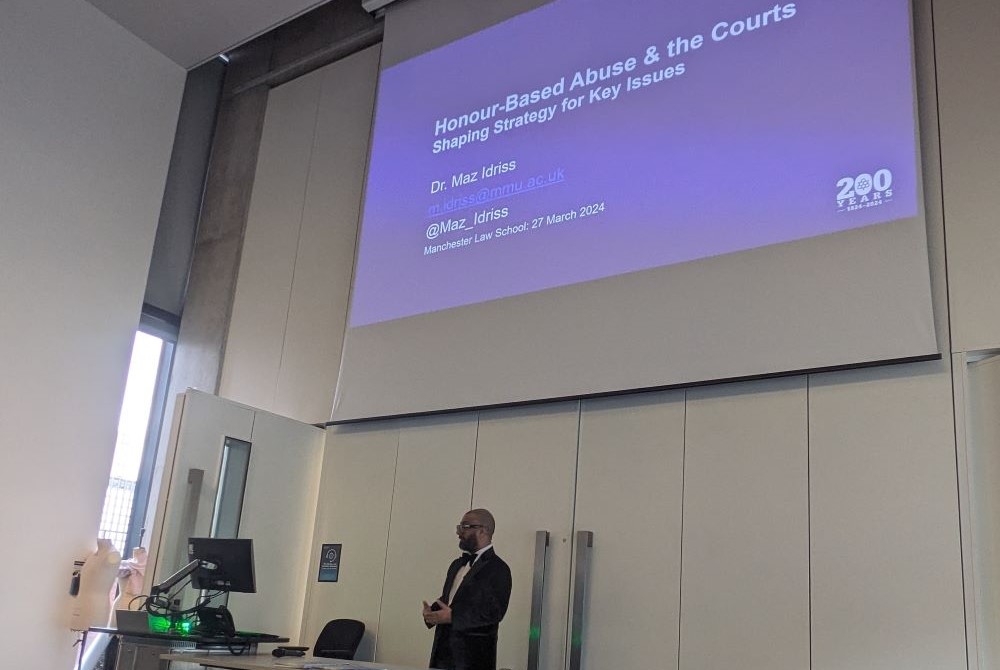
This March, Dr Maz Idriss (Law School) launched, ‘Honour-based abuse in the courts: Shaping strategies for key issues’ a research report and policy briefing exploring the complex issues surrounding Honour-Based Abuse (HBA) and its intersection with the judicial system. Over 60 stakeholders attended the launch event at Manchester Met, including legal professionals, academics, and policymakers. In recognition of the growing interest in this area, and the importance of the research findings, the launch event featured as the leading story for Granada News.
The research report and policy briefing are the result of Dr Idriss’ pioneering research project, ‘HBA and the Courts’, which was conducted alongside the Iranian and Kurdish Women’s Rights Organisation (IKWRO) and The Sky Project. The project partners recognised a need to better understand the low prosecution and conviction rates for Honour-Based Abuse and Forced Marriage (FM), the high discontinuance in the criminal courts, and low applications for Forced Marriage Protection Orders (FMPOs) in the civil courts. Through this project, they have identified instances of good practice, areas for improvement, and recommendations to improve outcomes for victims and bring perpetrators to justice in the court.
These recommendations, directed to police forces, the Crown Prosecution Service (CPS), government and local authorities, were shared by Dr Idriss as part of the launch event’s opening presentation. Throughout the day, attendees heard from multiple speakers undertaking crucial work to tackle HBA. This included Gayle Trowman, a former Detective with the West Midlands Police, who discussed her experience of working on HBA cases, and issues around police intervention. Payzee Mahmod, Campaigns Manager for IKWRO and sister of so-called ‘honour’ killing victim Banaz Mahmod, shared her reflections on the research report, and how to take the recommendations forward.
On the importance of this research, Dr Idriss commented:
“There is a general lack of legal research conducted into HBA and forced marriage studies in law. It is crucial for us to address victim attrition rates, law prosecution and low conviction rates, so that victims can feel protected by the law and perpetrators brought to justice. No one should experience abuse for the sake of family ‘honour’ or the reputation of the family. HBA and forced marriage represents some of the most serious and heinous acts of abuse because the lives of victims are controlled, and in some instances, the lives of victims are taken. We cannot tolerate such acts of abuse and harmful practices and legal reform is one important step to show the law’s and society’s condemnation of such practices.”
To find out more about this research, please contact Dr Maz Idriss via e-mail, or on Twitter.
Strengthening responses to domestic abuse: lessons from adult social care
Katherine Roycroft
The Gender-based Violence (GBV) team (School of Nursing and Public Health, Manchester Met) have produced a series of research reports commissioned by the Domestic Abuse Commissioner’s Office.
In the third of a series of blogposts, they outline some of the problems identified within adult social care and make policy recommendations for strengthening responses.
Trigger warning, this article may contain information that you find disturbing.
Domestic abuse and domestic homicide are highly gendered crimes with women constituting most victims and men most perpetrators. Roughly two women a week are killed by male intimate ex/partners and male family members. Around 30 men a year are killed in domestic settings, mostly at the hands of other men. Domestic homicide reviews (DHRs) are a statutory requirement and were introduced in 2011 to learn from such killings by identifying missed opportunities for intervention and making changes to improve responses to domestic abuse. To ensure that DHR recommendations are implemented, the Domestic Abuse Commissioner’s office is developing a national domestic homicide oversight mechanism which will be informed by our research. In this blog we focus on recommendations made in DHRs for adult social care.
Why focus on adult social care?
Our Homicide Abuse Learning Together (HALT) study found that in around two-thirds of domestic homicides, there were there were no children under 18 living in the household, whilst most policy and practice around domestic abuse focuses on families with children. Therefore, a focus on adults (without children) in abusive relationships is called for. The purpose of this work is to better understand the types of recommendations made in Domestic Homicide Reviews (DHRs) for Adult Social Care, relating both to intimate partner homicide and adult family homicide, with a particular focus on the over-65s.
What did we do in the study?
Twenty-four DHRs published between 2015-2019 were identified and analysed, with an oversampling of those involving adults over 65. We used a mixed methods approach to systematically extract information from DHRs such as the recommendations made, areas for development and learning, and examples of good practice.
Key Findings
Most victims were female (79%) and most perpetrators male (96%). Regarding ethnicity 82% of both victims and perpetrators were White British, with the remainder coming from Minoritised backgrounds (including White Europeans). Victims ranged in age from 34 to 95 years and perpetrators 21 to 87 years.
Intimate Partner and Adult Family Homicide
Half of the homicides were intimate partner homicides (IPH) (50%). All perpetrators in IPH cases were current male partners and most couples had been in their relationships for more than 10 years (64%).
Just under half of the homicides were Adult Family Homicide (46%). Adult Family Homicide (AFH) refers to instances where a family member (aged over 16) kills another family member. Most perpetrators were sons (45%) or other male family members (36%). Two daughters (one a trans woman) were perpetrators in two cases and a niece instigated a killing (via her boyfriend) in one case. Lastly, one homicide victim was killed by the sons of a friend she cohabited with.
Contexts
Prior domestic abuse was identified in nearly half of the DHRs (46%), with proportions similar across IPH and AFH. Importantly, in 50% of cases perpetrators were acting as the main carer for the victim. Younger perpetrators had high levels of socioeconomic disadvantage and violence or criminal history – issues rarely experienced by older perpetrators. Victims over 65 had more physical health problems and other age-related conditions. Younger victims had issues relating to victimisation, drug or alcohol use, and mental health problems.
Improvements in Policy and Practice are needed
Most DHRs (83%) identified that there was a need to strengthen record-keeping and sharing of information across agencies such as adult social care, policing and mental health services to better respond to victims of domestic abuse. Half of DHRs recommended enhancing assessments including carer’s assessments and domestic abuse assessments as these frequently did not take place. Where care was privately funded, there was no oversight of the context of care or the changing nature of care needs. Just over half of DHRs recommended that improvements in professional practice were required including understanding the person in their family context, avoiding stereotypes (e.g., older people unlikely to use violence), and being aware of carer stress and the needs of carers.
All member agencies of the [name of geographic area] Safeguarding Adults Board to ensure staff awareness of carer’s stress and the need for carer assessments where appropriate, including for those who are privately funded (DHR 202, p21)
Just over two-thirds of the DHRs included recommendations for staff training and development including increasing knowledge and skills in identifying different types of abuse (e.g., Adult Family Abuse).
Recommendations to implement, revise, update or expand organisational policies, practice and process appeared in 16 of the 24 DHRs (67%) focussing on developing or amending domestic abuse policy; reviewing or complying with adult safeguarding procedures and reviewing risk escalation processes.
Our policy recommendations
- For adult social care, protecting adult victims from domestic abuse is a murky policy terrain unless the victim has additional needs as specified in the Care Act 2014. This means that there is an important policy gap as there is no statutory requirement to protect vulnerable adults from domestic abuse. Therefore, new statutory processes to protect vulnerable adults from abuse which parallel those within Children’s Services was recommended.
- Some adults over 65 pay for private care. Adult Social Care still have a responsibility to oversee care and assess changing risk. This does not always happen and should be rectified.
- Social work training or continuing professional development is required which includes different types of abuse as well as their intersections with disability, mental capacity, consent and how this relates to specific long-term, debilitating and lifechanging diseases. Training should also explore the intersections between other protected characteristics (e.g., age, gender, ethnicity) and domestic abuse.
For further information, please see a summary the team’s findings on the Domestic Abuse Commissioner’s website.
The Gender-based Violence (GBV) team members involved in this research are:
Professor Khatidja Chantler is Principal Investigator for HALT, this study and leads the Gender-based Violence Team. Khatidja is a Professor of Gender, Equalities and Communities.
Dr Kim Heyes is a Senior Lecturer in the School of Nursing and Public Health. Kim’s research focuses on societal inequalities and intersections of mental health and abuse.
Dr Vicky Baker is a Lecturer in the School of Nursing and Public Health. Vicky’s research focuses on child to parent abuse.
Dr Clare Gunby is a Senior Lecturer in gender-based violence in the School of Nursing and Public Health. For the last 15 years she has been leading and managing research on sexual and domestic abuse.

Shadow Minister shares ambitions for UK employment at Good Work conference
Katherine Roycroft
“A day when you felt things moved forward” – Liz Sewell FIEP (Belina Consulting Ltd; Chair, ERSA London Region)
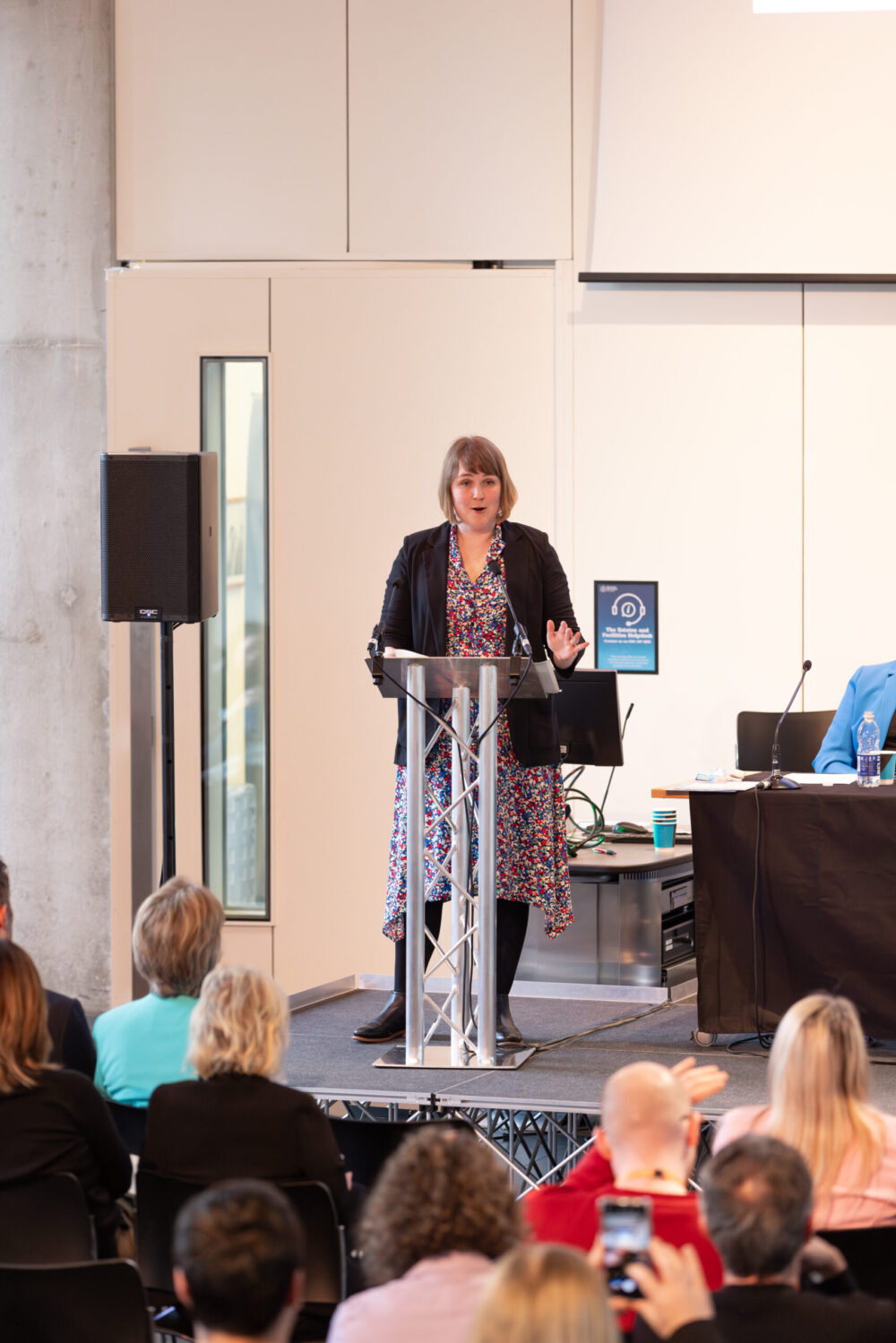
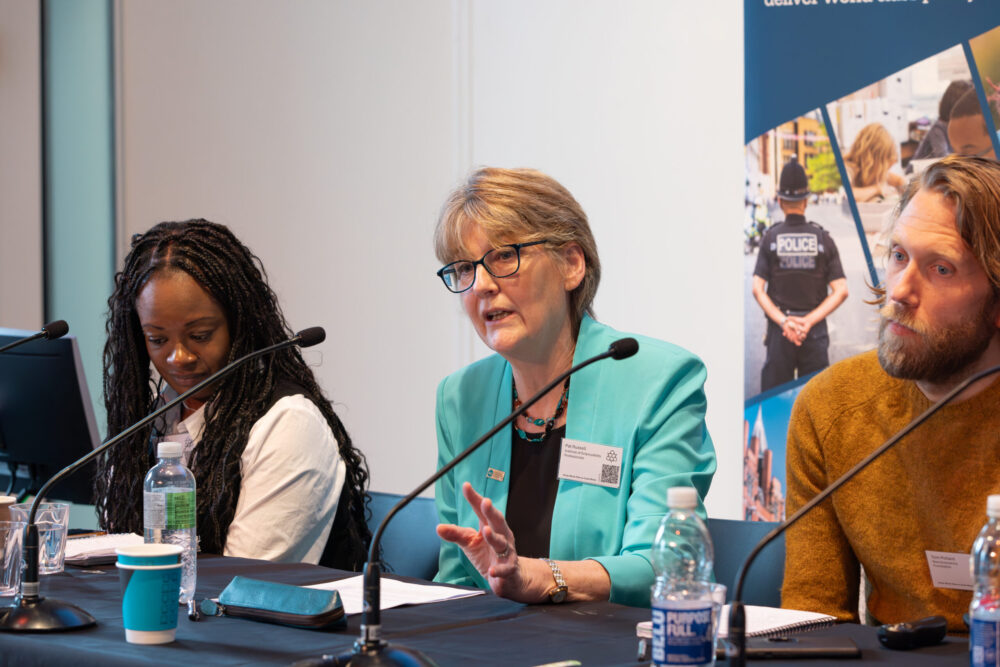
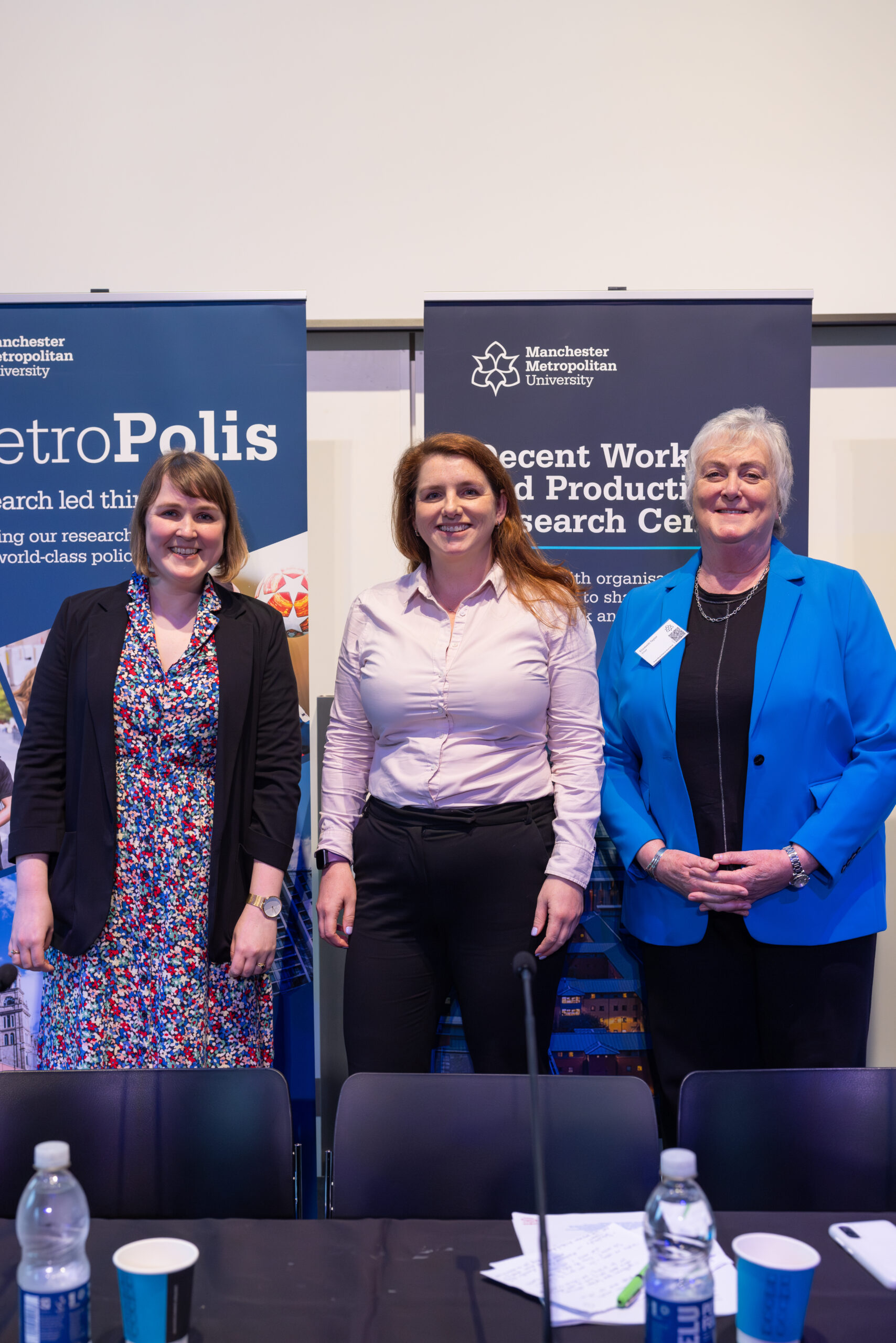
This April, over 100 guests including policymakers, researchers, and employment and business professionals gathered at Manchester Met for an innovative new mini-conference, ‘From Work First to Good Work: Supporting people into good jobs, not just any jobs.’
Led by Dr Katy Jones (Business School) and chaired by Elizabeth Taylor (Chief Executive at ERSA), the conference was jointly organised by MetroPolis and Manchester Met’s Centre for Decent Work and Productivity, in partnership with Employment Related Services Association (ERSA).
The sold-out, interactive event explored how to improve the employment landscape in the UK and allowed attendees to share their ideas on developing a more ambitious approach to supporting people into good jobs, not just any jobs.
A keynote address was delivered by Alison McGovern MP (Shadow Minister for Employment and Social Security and Acting Shadow Secretary of State for Work and Pensions). Championing the conference’s aims, the Shadow Minister laid out in her keynote a vision of a more ambitious Department for Work and Pensions (DWP), supporting people into jobs people feel proud to do.
Following the keynote, Elizabeth Taylor shared reflections on ‘good work’ from her tenure at ERSA, and Dr Jones detailed the cutting-edge research on employment taking place at Manchester Met. A policy pitch panel allowed employment experts including Tom Pollard (New Economics Foundation), Pat Russell (Institute of Employability Professionals), Emilia Quist (Federation of Small Businesses), Matthew Davis (Institute of Place Management), Tendayi Madzunzu (Uncertain Futures) and Anjum Klair (Trades Union Congress) to pitch their proposal for better supporting people into good work to attendees. Tom Pollard’s proposal that, ‘the DWP should be prioritising engagement over compliance,’ received the highest number of votes on the day.
A new policy paper by MetroPolis, ‘A Good Work Revolution: How to improve the UK’s employment landscape and tackle inequality’, was also launched at the conference, which delves further into the day’s themes. Drawing insight from pioneering Manchester Met research, the paper outlines clear steps which could catalyse a good work revolution for the UK.
On the conference and next steps, Dr Jones commented,
“This conference demonstrated a huge demand for a more ambitious, evidence-based approach to employment policy. Policymakers, researchers, businesses, trade unions, employability professionals and those with direct experience of the employment support system highlighted both the need – and the value – of shifting from tired policy approaches focused on moving unemployed people into any job quickly, to one with supporting people into good quality work at its core”.
Scroll through the images below to catch up on the day’s events.










To find out more about the research shared at the conference, please contact Dr Katy Jones.
The new MetroPolis briefing paper, ‘A Good Work Revolution: How to improve the UK’s employment landscape and tackle inequality’, is available on the MetroPolis website.

University and industry collaboration: making a real-world difference
Katherine Roycroft
Collaboration between academic experts and businesses can lead to major innovations in products and services, as well as working practices. However, measuring the impact of this collaboration poses a challenge.
In this blogpost, Professor David Bamford shares a new framework for evaluating university and industry collaboration - and explains why policymakers should take note.
Our research with several UK National Health Service (NHS) and UK based private sector organisations has investigated the benefits of public policy funding within the healthcare and high-tech manufacturing industries. As part of this, we have been able to identify what is required to make these partnership collaborations truly effective.
This research demonstrates the real, tangible difference made by public policy funding. It provides proof of the effectiveness of collaborative partnership templates for UK Government policy and funding schemes such as ‘Knowledge Transfer Partnerships’ and makes a strong case for the continuation of funding in this area.
Considering impact is crucial. Governments increasingly require universities and other recipients of public funding to demonstrate their contribution at the level of practice and policy. We need to be able to more reliably evidence- or even predict- the degree of impact, or the potential return on investment. However, this is not always straightforward.
Supporting impactful innovation
Universities are viewed as a source of new ideas, technologies and innovation and brokers to new knowledge to create impact, all of which can potentially make a contribution to industry and society (Bamford et al. 2023). The engagement of universities assisting firms through knowledge exchange is not just for innovative products or services but for generating innovative working practices, supporting the enhancement of operational and strategic capabilities through adoption of better practice and systems.
However, difficulties exist with evaluating, assessing and measuring the impact of such partnerships. This can be due to a variety of factors, including:
- Lack of control of the implementation
- Spillover effect and knowledge creep
- Inconsistent and partial access to appropriate data
- Inconsistent rate of absorption depending on the sector, type of organisation and culture
In addition to these factors, measuring the impact generated through the development of organisational capabilities is challenging because those capabilities are increased via a set of individual but complementary actions on multiple levels.
A new framework for measuring impact
University and industry partnerships are well established in some sectors and there appears to be evidence of the positive contribution to knowledge-based economies, industry, and also society (De Silva et al. 2021; Perkman et al. 2021). However, we (David Bamford, Iain Reid, Paul Forrester, Benjamin Dehe, Jim Bamford, and Marina Papalexi) wanted to make it easier to reliably measure this contribution. To achieve this, we have developed a new evaluation framework.
This framework considers both the theoretical and practical issues of knowledge transfer and most importantly the impact of the longitudinal University and industry engagement. To do this we have defined impact as the ‘increased capability’ (e.g. adopting new business practices, generating innovative processes and products, developing competitive advantage, etc.), perceived as both tangible and intangible, objective and subjective, and evaluated using a varied source of data (Bamford et al. 2023).
We have reinforced that the transfer of knowledge from university to industry happens at a much faster rate with the use of a policy template such as ‘Knowledge Transfer Partnerships’ collaboration.
An important note is that this model requires active facilitation throughout the partnership process, as part of the process of co-creation. In terms of increasing the levels of confidence and predictability, and of reducing the risk that organisations expose themselves to, the evidence presented by our research proves that University and industry collaboration is capable of being assessed. The identified mechanisms in Table 1 provide further evidence of this, highlighting the requirement of an active facilitation before, during and after the project.
Our recommendations
Now that we can evidence the benefits of policy support for University and industry collaboration, how can we ensure we take advantage of these benefits?
Our research strongly suggests the need for further policy expansion in this area to grow university technology and knowledge transfer to industry. Investment by governments and funding bodies such as UK Research and Innovation (UKRI), InnovateUK, Economic and Social Research Council (ESRC), and the Engineering and Physical Sciences Research Council (EPSRC) is key to ensuring that these collaborative efforts make a tangible difference to society.
Final policy recommendations? We have proven that learning happens at a much faster rate with the use of a policy template such as our new evaluation framework of university-industry collaboration. An important note is that this model requires active facilitation throughout the partnership process, as part of the policy inspired enabling of co-creation. This good practice tangibly makes a difference to the measurable returns on investment by governments and funding bodies.
Professor David Bamford is an experienced industrialist/academic who has published over 250 articles, book chapters and reports as well as presented widely on his topics to both academic and practitioner audiences. His multiple publications include three co-authored books: i) Managing Quality (2016); and ii) Essential Guide to Operations Management (2010 & 2023). David has worked with multiple Higher Education institutions, including: Harvard University; University of Edinburgh; University of Manchester, Lancaster University; University of Birmingham; Queens University, Belfast; The Open University; University of Huddersfield.

Strengthening responses to domestic abuse: The role of criminal justice services
Katherine Roycroft
The Gender-based Violence (GBV) team (School of Nursing and Public Health, Manchester Met) have produced a series of research reports commissioned by the Domestic Abuse Commissioner’s Office.
In the second of a series of blogs, they outline some of the problems identified within criminal justice (CJ) services and make policy recommendations for strengthening responses.
Warning: this article may contain information that you find distressing
Domestic homicide is a gendered crime. Two women a week are killed in the UK by a (typically male) intimate partner or family member, whilst 30 men are killed annually – most often by a male relative. In 2011 DHRs became a statutory requirement in England and Wales to help understand the factors leading to the homicide, service responses and missed opportunities to intervene. However, failures to implement the lessons learnt catalysed the DACs Development of the National Oversight Mechanism. Our research has directly informed this mechanism by identifying the detail of DHR recommendations and the CJ services they are directed towards. In better understanding the limits of risk assessment, gaps in knowledge at frontline and organisational levels and the systemic issues that undermine engagement with victims and perpetrators – issues so entrenched within the justice system – the DAC is better positioned to enact its oversight responsibilities.
The team’s summary report outlines the CJ recommendations from 46 DHRs. Reflecting the gendered context outlined, 85% of victims in these DHRs were female, most of whom had experienced prior victimisation, major bereavement or other trauma. By comparison, 93% of perpetrators were male, most of whom had used violence previously – often towards the victim. Victims and perpetrators were mostly White-British and typically spanned the 26-55 age category. Of our sample, 83% of cases involved intimate partner homicide (IPH), whilst 15% involved adult family homicide. Or, more specifically, men killing other family members. In almost 30% of IPH cases, the couple were separated at the time of death. Reinforcing what is well known in the sector; that separation does not provide protection but amplifies risks.
Knowledge of abuse
Almost all victims and most perpetrators in our sample had received support or a service over the time-period of the DHR and in most cases, services were aware of the domestic abuse (DA) between the couple. The police were aware in 72% of cases and although risk assessments had been conducted by the relevant CJ service in a similar percentage of cases, a high-risk rating was given in only one third. Findings that show risks being missed and a mismatch between the risk level attributed and the ultimate outcome of the case.
Improved risk assessment practices required
Perhaps unsurprisingly then, DHR recommendations focused on the need for improved risk assessment practices. Multiple opportunities to assess risk were missed – sometimes in seemingly obvious instances. For example, when a perpetrator was released from prison or bail conditions changed and he returned to the family home. When assessments were conducted, they could lack depth and fail to look at risks cumulatively, often treating each incident as if it were the first. Failures of this kind linked to risks being minimised, which meant that referrals into more intensive forms of support and monitoring were not taking place:
A further entry is made by the officer which states, ‘A recent MARAC assessment listed [victim] as high-risk, however I do not agree with this. [Victim] does not appear to be at risk of serious harm, if anything it appears to be minor disagreements between heavy drinkers’… (DHR203, p13)
Developing investigative practice
Being able to ask about DA enables risks to be managed, but our analysis found that CJ practitioners are not always suitably investigative, failing to probe inconsistencies in victim and perpetrator accounts. As the above quote suggests, stereotypes could also influence assessment of victim credibility, particularly if alcohol was involved or the victim was considered reluctant to engage. Both of which are outcomes of DA and interlink with the histories of disadvantage set out.
Survivor centred approaches
Whilst the pursuit of CJ outcomes may not be what a victim wants, support options should always be offered. However, only 17% of victims had received specialist DVA support, with DHRs also flagging the lack of local programmes to refer perpetrators into. Most CJ resource currently exists for DA victims categorised as high-risk, but as outlined, few victims in our sample fell into that threshold and an exclusive focus on risk can serve to neglect individual needs. More holistic responses are required to support all survivors of DA, to ensure multiple needs are met and to prevent possible escalation. Victims must also be kept informed of their cases, if they are to remain safe, including being provided with updates on the progress of investigations, a perpetrator’s bail conditions, release dates from prison and the detail of how court orders operate, something that often didn’t occur:
[Location] Police witness care unit need to consider, in conjunction with CPS, the most effective practice to engage with victims who are protected by court orders granted as part of criminal proceedings to ensure the victim understands the terms of the order and what would constitute a breach. (DHR247, p59, Police)
Our policy recommendations
The key stakeholders for taking forward the findings from our research include the National Police Chiefs’ Council, College of Policing, Home Office and Ministry of Justice.
- At local levels, Police and Crime Commissioner’s Offices and individual Police Forces will be key to ensuring that risk assessment practices are fit for purpose, holistic and monitored.
- Instituting a survivor-centred approach is also necessary to ensure victims are better supported (and perpetrators directed into intervention).
- Building collaborative relationships with the specialist DA sector can allow for tailored support and advocacy on behalf of victims that ensures their needs and rights are advanced.
- Improved professional practice, supported through rigorous supervision processes, is also needed to address the biases that can impact perceptions of victims and perpetrators.
While we understand the context of austerity and cuts to the CJ system that have impacted its capacity to respond, women cannot continue to die in consequence of the context set out. With the new powers allocated to the DAC, we have greater ability to demand the investment and improvement that ensures the lessons from DHRs are heeded.
You can read the full criminal justice briefing paper commissioned by the Domestic Abuse Commissioner here.
The Gender-based Violence (GBV) team members involved in this research are:
Professor Khatidja Chantler is Principal Investigator for HALT, this study and leads the Gender-based Violence Team. Khatidja is a Professor of Gender, Equalities and Communities.
Dr Kim Heyes is a Senior Lecturer in the School of Nursing and Public Health. Kim’s research focuses on societal inequalities and intersections of mental health and abuse.
Dr Vicky Baker is a Lecturer in the School of Nursing and Public Health. Vicky’s research focuses on child to parent abuse.
Dr Clare Gunby is a Senior Lecturer in gender-based violence in the School of Nursing and Public Health. For the last 15 years she has been leading and managing research on sexual and domestic abuse.
Improving reproductive health support in the workplace
Katherine Roycroft
“I’ve lost promotions because, you know… I learned from a colleague… they decided not to give me the position because I was going through fertility rounds and maybe I wasn’t going to be to the standards of the new job.”
Manchester Metropolitan University Complex Fertility Journeys project[1]
In the UK, there is little legislative employment provision around fertility treatment. As a result, those undergoing fertility treatment can face a number of challenges in relation to work. These can be logistical issues, like attending medical appointments, and administering medications. But they also include the need to manage the significant psychological, social and financial stresses that can result from treatment. Individuals can also be subject to negative responses and discrimination.
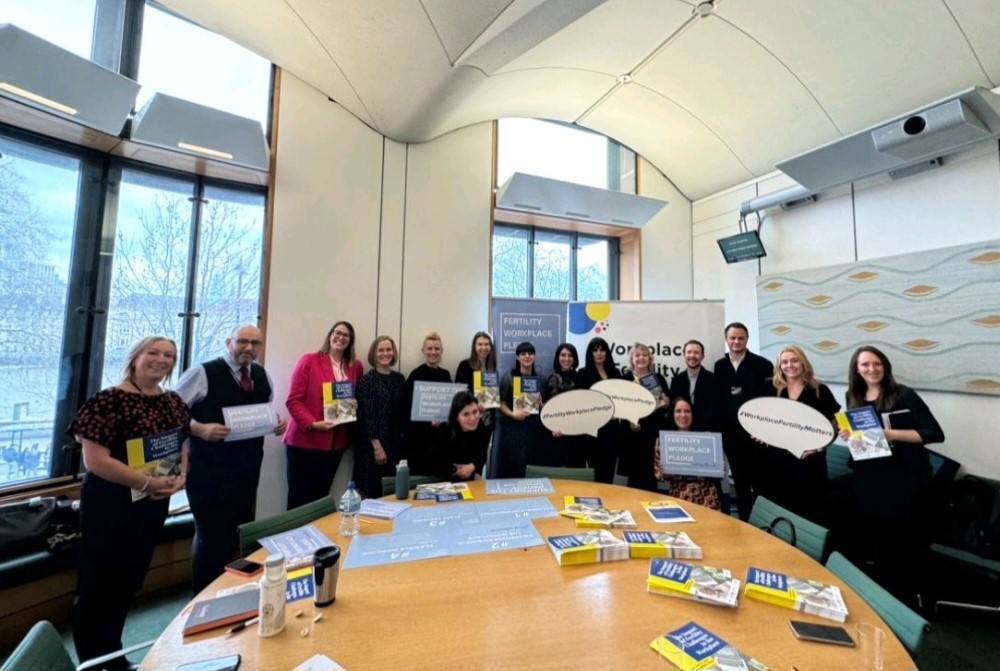
In March, Manchester Met’s Dr Krystal Wilkinson (Business School) attended Parliament to launch the White Paper, ‘The impact of fertility challenges in the workplace: The case for action and legislative change’, which she co-authored as part of the Workplace Fertility Campaign Group. Led by Nickie Aiken MP and Becky Kearns (Co-Founder, Fertility Matters at Work), the group also includes leading fertility organisations, law firms and campaign groups including Fertility Network UK and LGBT Mummies.
Their recent White Paper draws on MMU research findings, as well as data from industry surveys, to call for legislative change to mirror provisions for maternity and other protected characteristics in the workplace – for example, through paid time off for appointments, temporary reasonable adjustments and protection from discrimination. The campaign group are also involved in Nickie Aiken MP’s landmark ‘Fertility Workplace Pledge,’ which consists of four clear steps for employers to sign up to, to improve support for those undergoing fertility treatment. This includes, raising awareness of challenges around fertility treatment and allowing flexible working.
The pledge has already attracted significant support, with Prime Minister Rishi Sunak endorsing the pledge during Prime Minister’s Questions.
On the next steps for this work, Dr Wilkinson commented:
“The Workplace Fertility Campaign Group are currently working on establishing an All Party Parliamentary Group (APPG) on Fertility, to press for fairness for those undergoing fertility tests and treatment in different domains, including the healthcare system and the workplace. We are also working on a manifesto letter, and other activities to maintain momentum.
Here at Manchester Met, we are planning further research on the intersection between fertility treatment and employment.”
This research will be well-supported by Caroline Biddle, who is currently undertaking a PhD at Manchester Met on this topic.
Researching reproductive health and employment
Fertility in the workplace is just one of a number of research projects by Dr Wilkinson, recently gaining the attention of policymakers. More broadly, Dr Wilkinson’s research focuses on different facets of women’s reproductive health and employment, including menstrual health, complex fertility journeys (including navigating fertility tests, fertility treatment, pregnancy loss and childlessness), menopause and perinatal mental health.
Her other recent activity includes:
- Participating in a select roundtable discussion at 10 Downing Street on menopause in the workplace, hosted by Mims Davies MP (Minister for Disabled People, Health and Work), and co-chaired by Helen Tomlinson (Government Menopause Employment Champion).
- Attending Parliament for the 20th birthday celebration of Fertility Network UK.
- Invitation to the inaugural meeting of the APPG for Flexible and Family Friendly Working; Dr Wilkinson is a member of the Academic Advisory Board of Working Families charity who are acting as the APPG Secretariat.
Through this work, Dr Wilkinson is playing a key role in addressing gaps in knowledge around reproductive health in the workplace, ensuring improved support from employers in future.
[1] FMAW White Paper ONLINE VERSION (fertilitynetworkuk.org)
To find out more about this research, please contact Dr Krystal Wilkinson via e-mail.
You can read the White Paper, ‘The impact of fertility challenges in the workplace: The case for action and legislative change,’ here.